Dessert Vanilla Sponge Cake
Highlighted under: Oven Recipes
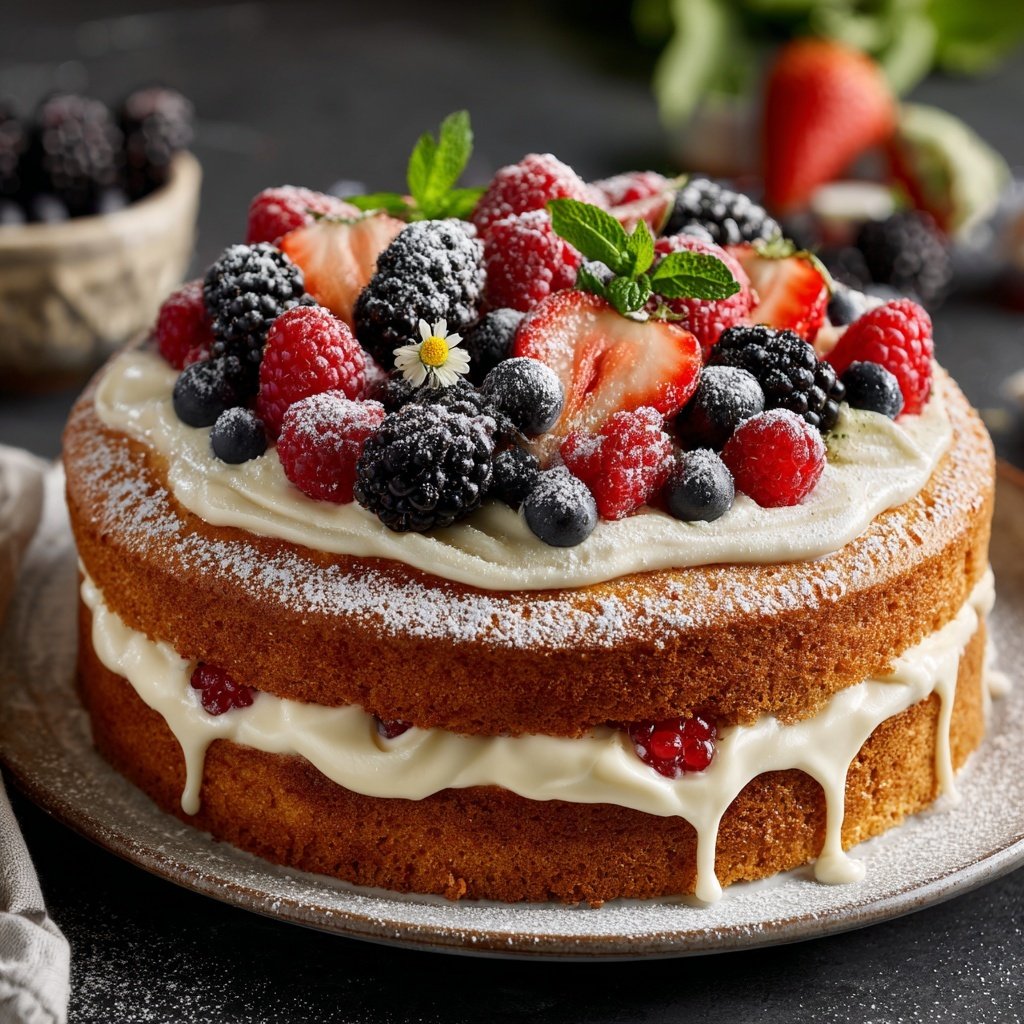
When I think of a classic dessert that never fails to impress, I immediately think of this Dessert Vanilla Sponge Cake. I love how its light and fluffy texture allows for endless variations, from whipped cream to fresh fruits. The delicate vanilla flavor makes it perfect for any occasion, whether it's a cozy family gathering or a fancy dinner party. Baking this cake has become a beloved tradition in my kitchen, and I can't wait for you to try it too!
I've experimented with countless sponge cake recipes over the years, and this one stands out for its incredible simplicity and flavor. The key to achieving that cloud-like texture is to ensure your eggs are at room temperature before you whip them. This helps incorporate air more efficiently, resulting in a light cake that practically melts in your mouth.
Another tip I’ve learned is to avoid overmixing once you add the dry ingredients. Gently folding in the flour maintains the airiness that makes this cake special. This cake is perfect as is or can serve as a blank canvas for all your favorite toppings!
Why You Will Love This Recipe
- Delicately fluffy texture that delights the palate
- Subtle vanilla aroma that fills your kitchen
- Versatile base for all your favorite toppings
The Science Behind a Perfect Sponge
Understanding the role of eggs in this recipe is crucial. Eggs provide structure, moisture, and richness, helping the sponge rise beautifully while maintaining its light texture. Make sure to use fresh eggs, and allow them to reach room temperature before whisking. This will help achieve a fluffier batter, as room-temperature eggs create better aeration when beaten with sugar. The result is a sponge that rises evenly and has a soft crumb.
In this sponge cake, the gentle folding technique is key to preserving the air incorporated during mixing. When adding the dry ingredients to the whipped eggs, use a spatula to fold in the flour mixture rather than stirring vigorously. Aim for a smooth batter without any pockets of dry flour, but be careful not to overwork it. Overmixing can lead to a denser texture instead of the desired lightness.
Flavor Enhancements and Variations
While the vanilla flavor is a classic choice, you can easily customize this sponge cake to suit your taste. Consider substituting a teaspoon of almond extract for a nutty twist or incorporating citrus zest for a refreshing hint. If you’d like to enhance the aroma even further, try infusing your butter with vanilla beans before melting it. This subtle addition will elevate the cake’s flavor profile significantly.
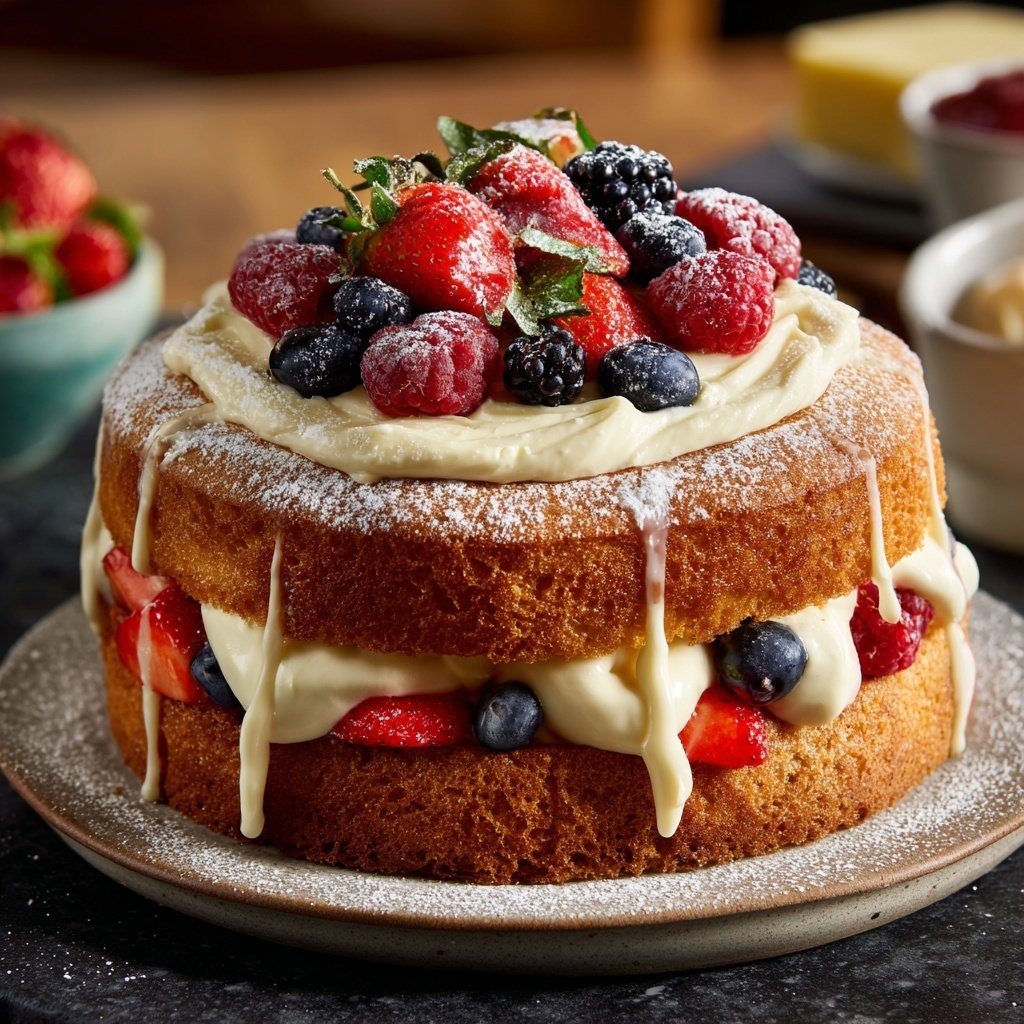
If you're looking to create a more indulgent experience, think about layering your sponge with flavored syrups, whipped cream, or fruit preserves. Fresh strawberries or a tart lemon curd can really bring the vanilla base to life. Alternatively, you can slice the cooled sponge into layers, inject a filling such as pastry cream, and stack them for a more impressive presentation at your next gathering.
Storage and Make-Ahead Tips
This vanilla sponge cake can be made ahead of time and stored properly to maintain its freshness. Once cooled completely, wrap it in plastic wrap and store it at room temperature for up to 2 days. For longer storage, you can freeze the sponge cake. Slice it into your preferred portions before wrapping it tightly in plastic wrap and aluminum foil. It will stay fresh for up to 3 months in the freezer. Thaw individual slices at room temperature before serving.
When it comes to serving, you can easily dress up leftover sponge cake. A light dusting of powdered sugar or a drizzle of chocolate ganache can elevate its appearance and flavor without adding too much effort. If your cake has dried out slightly, consider serving it with a scoop of ice cream or a dollop of cream to balance its texture. This cake's versatility truly shines when paired with various toppings.
Ingredients
Gather the following ingredients:
For the Sponge Cake
- 4 large eggs
- 120g granulated sugar
- 120g all-purpose flour
- 1 teaspoon baking powder
- 1/4 teaspoon salt
- 1 teaspoon pure vanilla extract
- 30g unsalted butter, melted
Make sure all ingredients are fresh for the best results!
Instructions
Follow these steps carefully to create the perfect sponge cake:
Preheat the Oven
Preheat your oven to 350°F (175°C) and grease a 9-inch round cake pan. Line the bottom with parchment paper for easy removal.
Beat the Eggs and Sugar
In a large bowl, whisk together the eggs and sugar until the mixture is pale and fluffy, about 5-7 minutes. The volume should triple.
Combine Dry Ingredients
In another bowl, sift together the flour, baking powder, and salt. Set aside.
Fold in Dry Ingredients
Gently fold the dry ingredient mixture into the egg mixture using a spatula. Be careful not to deflate the batter.
Add Vanilla and Butter
Stir in the vanilla extract and melted butter until just combined.
Bake the Cake
Pour the batter into the prepared cake pan and bake for 25-30 minutes or until a toothpick inserted into the center comes out clean.
Cool and Serve
Allow the cake to cool in the pan for 10 minutes, then turn out onto a wire rack to cool completely. Serve with your choice of toppings.
Enjoy your freshly baked vanilla sponge cake!
Pro Tips
- To add a twist, consider incorporating lemon zest for a citrusy kick. This cake also freezes beautifully if you want to save some for later.
Troubleshooting Common Issues
One common issue when baking sponge cakes is that they can sometimes collapse in the center. This typically happens if the batter is underbaked or if the oven temperature was set too high. Always ensure your oven is calibrated correctly, and use an oven thermometer if necessary. Additionally, relying on the toothpick test is essential; the toothpick should come out clean or with a few moist crumbs, but not wet batter.
If you notice your sponge is too dense, it may be due to overmixing when incorporating the dry ingredients. Remember to use gentle folding motions to keep that airy texture intact. If the cake turned out too dry, consider reducing the baking time slightly next time, or incorporate some simple syrup over the cooled sponge to add moisture.
Scaling the Recipe
If you need to adjust the size of your sponge cake, scaling the ingredients up or down is straightforward. For instance, if you want to make a larger cake for a crowd, simply double the amounts for a 10-inch round cake. However, you'll need to adjust baking times as well; larger cakes may require an additional 5-10 minutes in the oven. Use the toothpick test to ensure it's baked through as mentioned before.
When halving the recipe for a smaller cake, make sure to select a smaller pan size, like a 6-inch round. This will help maintain the cake’s ideal texture and prevent it from becoming too thick. No matter the size, remember that maintaining the same technique—particularly with eggs and folding—is essential for achieving the perfect sponge.
Questions About Recipes
→ Can I use cake flour instead of all-purpose flour?
Yes, using cake flour will give you an even lighter texture, which is perfect for a sponge cake.
→ How can I make this gluten-free?
You can substitute the all-purpose flour with a gluten-free flour blend, but be sure to add a binder like xanthan gum.
→ What toppings do you recommend?
Whipped cream, fresh berries, or a simple vanilla glaze all complement this cake beautifully.
→ Can I double the recipe?
Absolutely! Just make sure to adjust the baking time if using a larger pan.
Dessert Vanilla Sponge Cake
Created by: The Harryscookbook Team
Recipe Type: Oven Recipes
Skill Level: Beginner
Final Quantity: 8 servings
What You'll Need
For the Sponge Cake
- 4 large eggs
- 120g granulated sugar
- 120g all-purpose flour
- 1 teaspoon baking powder
- 1/4 teaspoon salt
- 1 teaspoon pure vanilla extract
- 30g unsalted butter, melted
How-To Steps
Preheat your oven to 350°F (175°C) and grease a 9-inch round cake pan. Line the bottom with parchment paper for easy removal.
In a large bowl, whisk together the eggs and sugar until the mixture is pale and fluffy, about 5-7 minutes. The volume should triple.
In another bowl, sift together the flour, baking powder, and salt. Set aside.
Gently fold the dry ingredient mixture into the egg mixture using a spatula. Be careful not to deflate the batter.
Stir in the vanilla extract and melted butter until just combined.
Pour the batter into the prepared cake pan and bake for 25-30 minutes or until a toothpick inserted into the center comes out clean.
Allow the cake to cool in the pan for 10 minutes, then turn out onto a wire rack to cool completely. Serve with your choice of toppings.
Extra Tips
- To add a twist, consider incorporating lemon zest for a citrusy kick. This cake also freezes beautifully if you want to save some for later.
Nutritional Breakdown (Per Serving)
- Calories: 280 kcal
- Total Fat: 10g
- Saturated Fat: 5g
- Cholesterol: 100mg
- Sodium: 130mg
- Total Carbohydrates: 40g
- Dietary Fiber: 1g
- Sugars: 26g
- Protein: 4g