Flaky Buttermilk Biscuits
Highlighted under: World Flavors
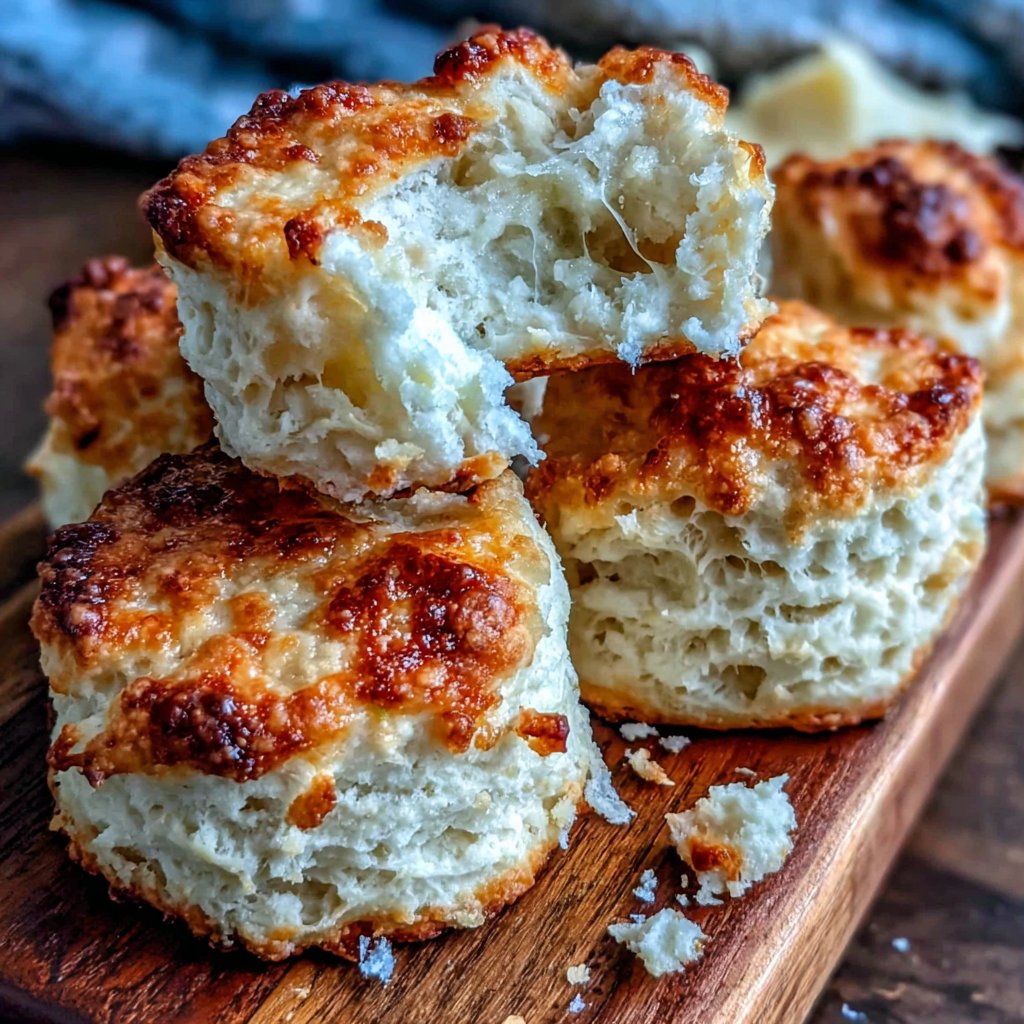
I absolutely love baking flaky buttermilk biscuits! They have become a staple in my kitchen, especially during weekend brunches. With their tender texture and rich flavor, these biscuits are the perfect base for sausage gravy or simply enjoyed with butter and jam. I find that using cold ingredients and not overworking the dough really helps achieve that desired flakiness. If you haven't tried making them from scratch yet, you're in for a delightful surprise!
Every time I make these flaky buttermilk biscuits, they whisk me away to my grandmother's kitchen. I remember the way she used to hand me the rolling pin, her smile encouraging me to dive right into the process. My journey to perfecting the recipe involved a lot of trial and error, but what I've discovered is the importance of using cold butter and buttermilk. This helps create pockets of steam during baking, resulting in that irresistible flakiness.
Recently, I had guests over for brunch, and I baked a fresh batch. The delightful aroma filled my home, drawing everyone into the kitchen. Watching them slather the warm biscuits with butter was pure joy. I’ve also tried adding herbs like rosemary or cheddar cheese to elevate the flavor—a tip I highly recommend if you're feeling adventurous!
Why You'll Love These Biscuits
- Incredibly flaky and buttery texture that melts in your mouth
- Versatile enough to serve with sweet or savory toppings
- Quick and easy to prepare, perfect for busy mornings
The Importance of Cold Ingredients
Using cold ingredients is crucial for achieving the light and flaky texture in your biscuits. When you add cold butter to the flour mixture, it creates small pockets of fat that, when baked, produce steam. This steam is what helps the dough rise and results in the desired flaky layers. If you find your butter has softened, you can quickly chill it in the freezer for about 10 minutes. Remember, the colder the better!
The same principle applies to buttermilk. Ensure it's chilled before mixing it into your dough. This will not only help with flakiness but also contribute a rich tang to your biscuits, enhancing their flavor. Room temperature ingredients can lead to overdeveloping the gluten in the dough, resulting in tough biscuits, which is something we definitely want to avoid.
Techniques for Perfectly Shaped Biscuits
When shaping your biscuits, aim to handle the dough as little as possible. Overworking can lead to dense biscuits instead of the light, airy ones we’re after. After patting the dough into a rectangle, fold it gently over itself a couple of times. This folding technique builds layers, contributing to a flaky texture. Make sure your surface and hands are lightly floured to prevent sticking.
When it comes to cutting out the biscuits, use a sharp biscuit cutter instead of a knife. A sharp edge will create clean cuts, ensuring the sides of the biscuit rise evenly. Additionally, avoid twisting the cutter when lifting it; just press down straight and lift. If you twist, you’ll seal the edges, which can inhibit proper rising during baking.
Ingredients
Ingredients
For the Biscuits
- 2 cups all-purpose flour
- 1 tablespoon baking powder
- 1/2 teaspoon baking soda
- 1 teaspoon salt
- 1/2 cup cold unsalted butter, cubed
- 3/4 cup buttermilk
Instructions
Instructions
Preheat the Oven
Preheat your oven to 450°F (230°C).
Mix Dry Ingredients
In a large mixing bowl, combine the flour, baking powder, baking soda, and salt.
Cut in Butter
Add the cold butter cubes to the flour mixture. Using a pastry cutter or your fingers, work the butter into the flour until it resembles coarse crumbs.
Add Buttermilk
Pour in the buttermilk and gently stir until just combined. Be careful not to overmix.
Shape the Biscuits
Turn the dough onto a floured surface and pat it into a rectangle about 1-inch thick. Fold it over onto itself a couple of times for extra flakiness.
Cut Out Biscuits
Use a biscuit cutter to cut out biscuits. Place them on a baking sheet lined with parchment paper.
Bake
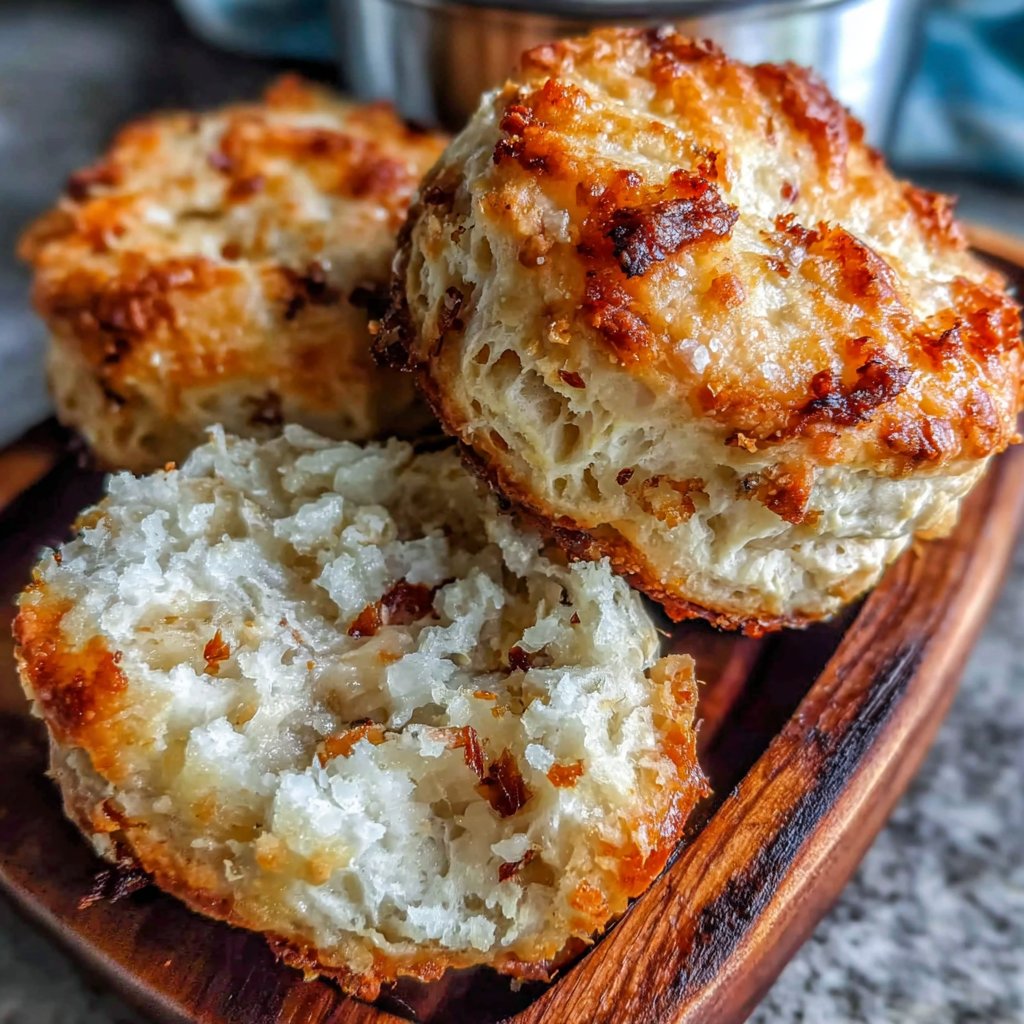
Bake in the preheated oven for 15 to 20 minutes, or until golden brown on top.
Pro Tips
- For the best results, make sure your ingredients are as cold as possible. You can chill your flour for about 30 minutes before using it.
Making Ahead and Storage Tips
If you want to save some time, you can prepare the biscuit dough a day in advance. After you’ve mixed and shaped the biscuits, cover them tightly with plastic wrap and refrigerate them. When you're ready to bake, simply preheat the oven, remove from the fridge, and bake straight from cold. Baking time might need to be adjusted slightly, so keep an eye on them as they bake.
For leftovers, store any uneaten biscuits in an airtight container at room temperature for up to two days. If you want to keep them longer, consider freezing them. Once completely cooled, wrap each biscuit in plastic wrap, then place them in a resealable freezer bag. They can last for up to three months in the freezer. To reheat, pop them in a 350°F (175°C) oven for about 10 minutes, until warmed through.
Variations and Serving Suggestions
These biscuits serve as a wonderful base for various toppings. For a classic approach, serve them warm with a pat of butter and a drizzle of honey or homemade jam. They also pair beautifully with savory elements; try them with gravy or a hearty breakfast sandwich featuring eggs and sausage. The versatility of these biscuits makes them an excellent addition to any meal.
If you're feeling adventurous, consider adding ingredients to the dough, such as shredded cheese, fresh herbs, or spices for a twist. For a sweet version, mix in a handful of chocolate chips or dried fruit. Each variation can yield a different flavor experience, allowing you to adapt these biscuits to suit any preference.
Questions About Recipes
→ Can I make these biscuits ahead of time?
Yes, you can prepare the dough and shape the biscuits, then freeze them. Bake directly from the freezer, adding a few extra minutes to the baking time.
→ What can I use instead of buttermilk?
You can use a mixture of regular milk and vinegar or lemon juice as a substitute for buttermilk. Use 1 cup of milk with 1 tablespoon of vinegar or lemon juice and let it sit for 5 minutes.
→ How do I store leftover biscuits?
Store any leftover biscuits in an airtight container at room temperature for up to 2 days, or freeze them for up to 3 months.
→ Can I add cheese or herbs to the recipe?
Absolutely! Feel free to add shredded cheese or fresh herbs during the mixing step for added flavor.
Flaky Buttermilk Biscuits
Created by: The Harryscookbook Team
Recipe Type: World Flavors
Skill Level: Beginner
Final Quantity: 12 biscuits
What You'll Need
For the Biscuits
- 2 cups all-purpose flour
- 1 tablespoon baking powder
- 1/2 teaspoon baking soda
- 1 teaspoon salt
- 1/2 cup cold unsalted butter, cubed
- 3/4 cup buttermilk
How-To Steps
Preheat your oven to 450°F (230°C).
In a large mixing bowl, combine the flour, baking powder, baking soda, and salt.
Add the cold butter cubes to the flour mixture. Using a pastry cutter or your fingers, work the butter into the flour until it resembles coarse crumbs.
Pour in the buttermilk and gently stir until just combined. Be careful not to overmix.
Turn the dough onto a floured surface and pat it into a rectangle about 1-inch thick. Fold it over onto itself a couple of times for extra flakiness.
Use a biscuit cutter to cut out biscuits. Place them on a baking sheet lined with parchment paper.
Bake in the preheated oven for 15 to 20 minutes, or until golden brown on top.
Extra Tips
- For the best results, make sure your ingredients are as cold as possible. You can chill your flour for about 30 minutes before using it.
Nutritional Breakdown (Per Serving)
- Calories: 210 kcal
- Total Fat: 12g
- Saturated Fat: 7g
- Cholesterol: 35mg
- Sodium: 300mg
- Total Carbohydrates: 24g
- Dietary Fiber: 1g
- Sugars: 1g
- Protein: 4g